E-commerce Analytics Metrics: How To Strategically Track Metrics For Maximum Profitability
E-commerce Analytics Metrics: How To Strategically Track Metrics For Maximum Profitability?
In the fast-paced world of eCommerce, data is the lifeline of success.
Tracking the right analytics metrics allows you to make informed decisions, optimize your strategies, and drive profitability.
But with countless metrics to choose from, how can you focus on the ones that truly matter?
In this guide, we’ll walk you through the essential eCommerce metrics to track, why they matter, and how to use them strategically to maximize your business profits.
Step 1: Understand the Importance of Ecommerce Analytics Metrics
Empower Data-Driven Decisions
Analytics metrics offer a clear view of how your online store is performing. They empower you to make decisions backed by hard data rather than guesswork.
Gain a Competitive Edge
By strategically analyzing key metrics, you can uncover opportunities for growth, identify gaps in your strategy, and outpace your competitors in a crowded market.
Measure What Matters
Understanding which metrics align with your business goals ensures you’re focusing on what drives revenue and profitability.
Step 2: Key Ecommerce Metrics to Track
1. Conversion Rate (CR)
What It Is: The percentage of visitors who make a purchase.
Why It Matters: A high conversion rate indicates an effective site that converts visitors into paying customers.
How to Improve It: Optimize product pages, improve site navigation, simplify the checkout process, and use compelling CTAs.
2. Average Order Value (AOV)
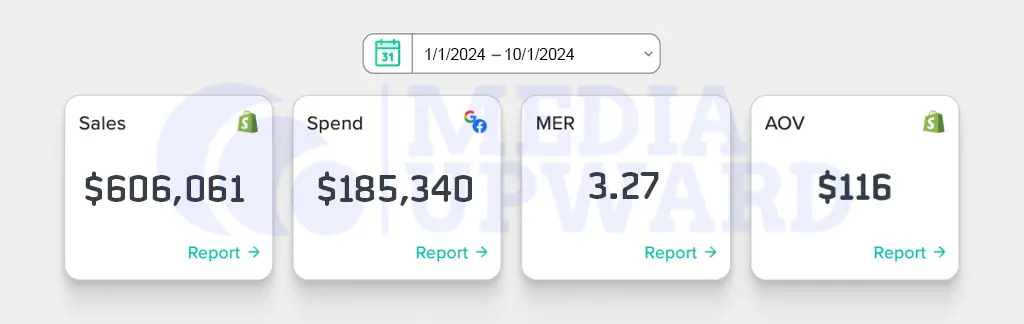
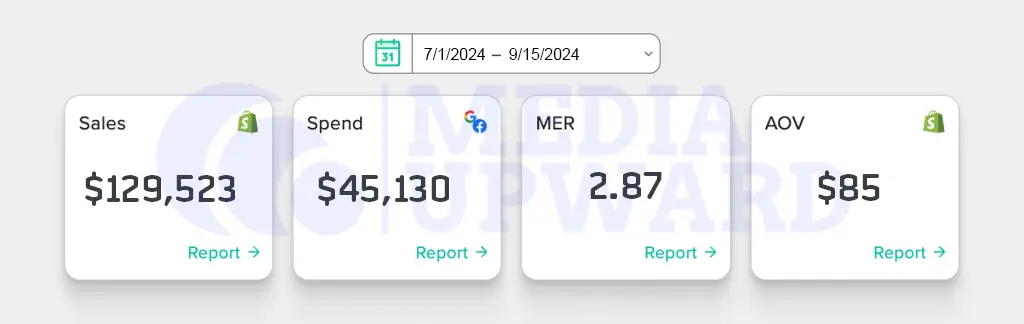
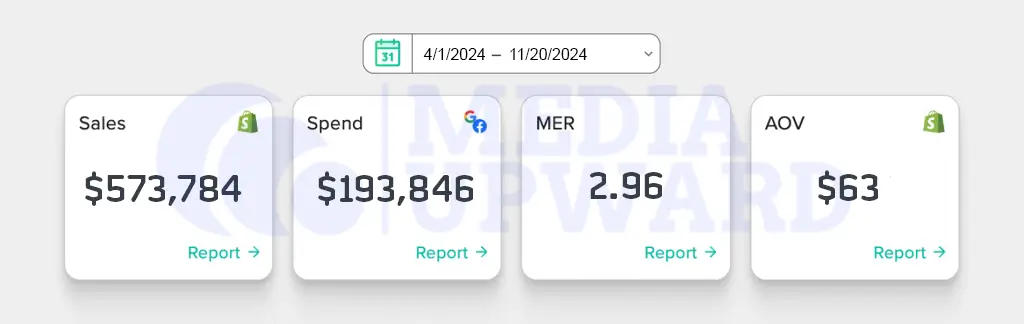
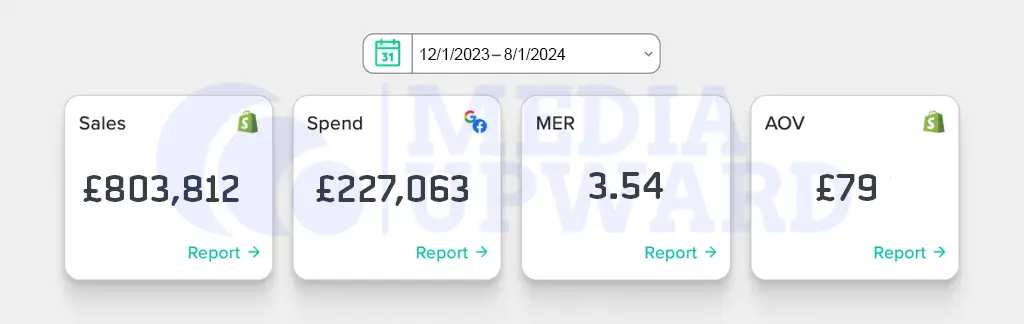
What It Is: The average amount customers spend per transaction.
Why It Matters: Boosting AOV increases revenue without needing more traffic.
How to Improve It: Implement upselling, cross-selling, and product bundling strategies.
3. Cart Abandonment Rate
What It Is: The percentage of shoppers who add products to their cart but leave without completing the purchase.
Why It Matters: A high abandonment rate indicates friction in the purchasing process.
How to Improve It: Address unexpected shipping costs, simplify the checkout process, and include trust signals like secure payment icons.
4. Customer Lifetime Value (CLV)
What It Is: The total value a customer brings over their entire relationship with your business.
Why It Matters: CLV helps determine how much you can invest in customer acquisition while staying profitable.
How to Improve It: Focus on retention strategies like loyalty programs, personalized offers, and excellent customer service.
5. Customer Retention Rate
What It Is: The percentage of customers who return to purchase again.
Why It Matters: Retaining customers is more cost-effective than acquiring new ones.
How to Improve It: Use email marketing, offer exclusive deals, and maintain strong post-purchase communication.
Step 3: Leverage the Right Tools
Google Analytics
Set up eCommerce tracking to gain insights into shopping behaviors, revenue, and conversions.
E-commerce Platforms
Tools like Shopify, WooCommerce, and Magento provide built-in analytics dashboards to track sales and customer behavior.
Specialized Analytics Tools
Platforms like Kissmetrics and Mixpanel offer advanced segmentation and user behavior insights for deeper analysis.
Step 4: Strategically Track Metrics for Maximum Profitability
Regularly Review and Take Action
Data is only valuable if you act on it. Set up regular review sessions to analyze metrics and adjust strategies accordingly.
Segment Your Data
Break down your metrics by traffic sources, devices, and customer demographics. This granular view helps you identify specific areas for improvement.
Test and Optimize
Run A/B tests on landing pages, ad creatives, and promotional strategies. Use the results to refine your approach and improve performance.
Prioritize ROI-Driven Metrics
Focus on metrics like CLV and AOV that directly impact profitability, ensuring your efforts align with revenue goals.
Conclusion
Tracking the right eCommerce analytics metrics is essential for scaling your business and maximizing profitability. By focusing on conversion rates, AOV, cart abandonment rates, and CLV, you can optimize your strategies and stay ahead in the competitive eCommerce landscape. Remember, “What gets measured gets managed.”
Ready to unlock the full potential of your eCommerce business?
At Media Upward, we specialize in helping business owners scale through data-driven paid advertising and campaign management.
Contact us today to elevate your eCommerce success!
Get Started with Media Upward Today!
Ready To Scale?
Easily schedule a FREE demo call with our team by clicking below,
and explore the possibilities Media Upward offers for your brand.
A free 30-minute call to see how we can help you